Reports of huge queues in European airports are worrying British travellers this summer, and foreign residents living in Spain often don’t know whether they should stand in these queues or if they can bypass the delays if they have a TIE card.
A survey conducted by travel insurance providers Staysure Expat in June reveals that 33% of respondents said they did not feel enough information has been provided to travellers about EES and 35% wanted more clarity on whether it applies to them as expats with TIE cards.
Further confusion has been seen around the use of e-gates for passport checks. 42% of respondents thought they could use e-gates if they have a Spanish residency card TIE and 40% didn’t think they could. Mistakenly using the e-gates could falsely identify you as having overstayed the short-stay limit and cause problems with future travel, so getting it right is key.
Caroline Lips, Head of Marketing for Staysure Expat is setting the record straight. “Our survey showed a lot of confusion on what expats in Spain should do when faced with the EES System, and whether they could use the e-gates for passports or not. It’s important to do the right thing, to avoid potentially being shown to have overstayed the 90–180-day rule for non-EU citizens.
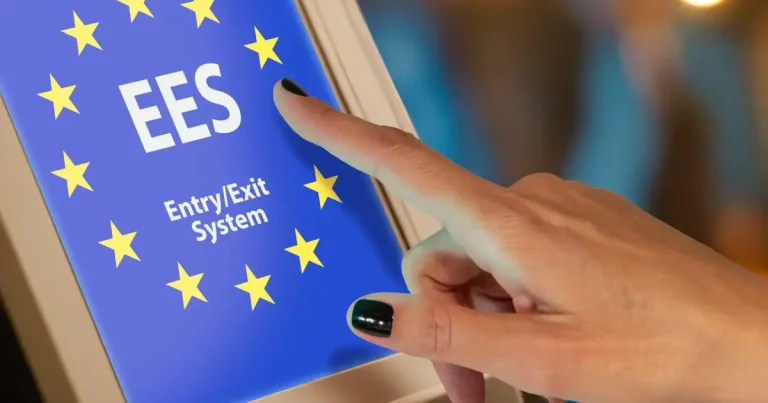
“The good news is that foreign residents in Spain with a TIE card, definitely do not have to use the EES system and so they can skip the queues. The European Union’s official Travel Europe portal for the Entry/Exit System clearly states that the EES does not apply to “holders of residence permits and long-stay visas” and that is anyone with a TIE. The UK’s FCDO confirms this by saying “If you are long-term resident in a Schengen country, you are exempt from EES in all Schengen countries.”
Holders of a TIE card, even with a third-country passport, can use the residents’ lane, so head to the queue marked for EU / EEA / Swiss citizens and Residents – do not simply join the end of the EES line. Hold your passport and your TIE card in your hand when going to that line, so that officers know you’re entitled to use it.
“Our survey also showed a real split when it came to knowledge about whether you should use the e-gates at passport control or not. 42% thought they could, 40% thought they couldn’t. The actual case is that you shouldn’t use the e-gates, because they scan your passport only, not your residence card, and this could log you as a short stay visitor and lead to automated “overstayer” alerts and potential complications the next time you travel.
“Go to the manned desks and present your passport and your TIE together. The officer will visually verify your residency, manually process your entry without logging your fingerprints or photo into the short-stay database, and wave you through. The queues for the manned passport control desks seem to be moving significantly faster than the EES lanes, so that’s a real benefit for expats with TIE cards.”
The survey also revealed that 33% wanted clear airport signage to reduce confusion and 28% would value a simple step-by-step guide to help them to understand systems like the EES better. Staysure Expat have written a blog answering the most frequently asked questions about the EES in response to these findings and will be continuing to release useful travel advice for expats living in Spain, France and Portugal on their social media channels @staysureexpat on Instagram and @staysure.expat on Facebook.