In this week’s Inside Spain, we look at how the country’s small neighbourhood stores are struggling to survive against the likes of Amazon, and why this matters so much for the Spanish lifestyle we all appreciate.
This week, the owners of Spain’s oldest bookstore managed to avoid closure thanks to a crowdfunding campaign which raised €60,000 in just 13 days to cover “urgent debts”.
Hijos de Santiago Rodríguez, in the northern city of Burgos, are sixth-generation booksellers.
They’ve been around for 176 years, survived the Spanish Civil War and the Covid-19 pandemic, but as manager Lucía Alonso admitted, “bookselling is a wonderful profession, but not exactly a profitable business”.
So what next for Hijos de Santiago Rodríguez and the tens of thousands of other small businesses that are the fabric of Spanish society but struggle to turn a profit in the face of changing consumer habits?
For some foreigners, visiting Spanish cities may feel a bit like a beacon of nostalgia.
Think of what’s happened to the British high street over the past twenty years, increasingly devoid of shoppers and with the same franchise stores offering zero character.
And in the US, most cities haven’t been pedestrian-friendly since mass car adoption, zoning changes and suburban development post-WWII, making American shopping mall culture deeply ingrained.
Spanish city centres and the shops within them maintain that essence that other countries used to have. They are still very much run by people, for the people.
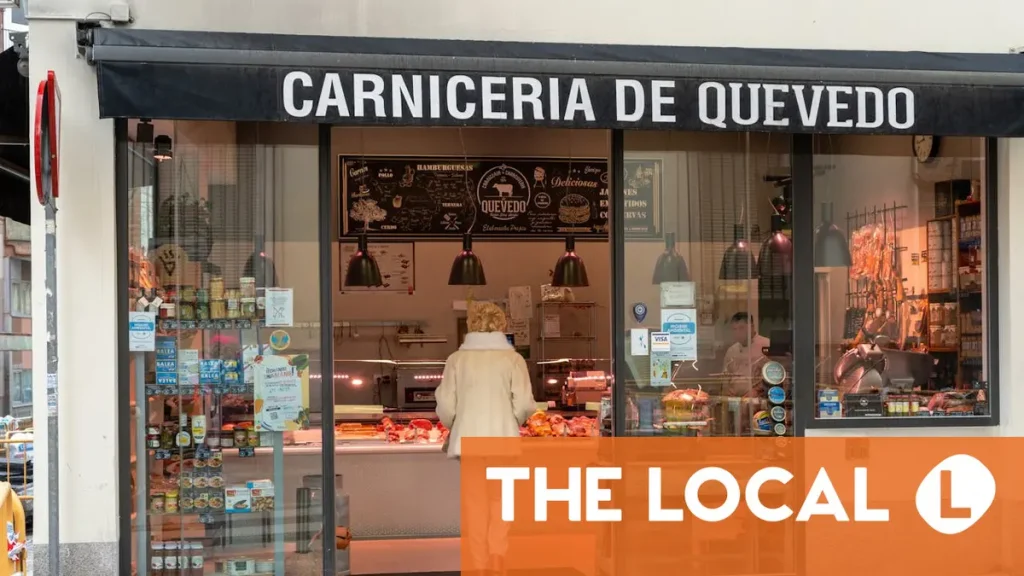
Florists, haberdasheries, shoe-repair stores, bars named after the owner – family-run businesses are what makes each ciudad (city) unique, lively and pleasant.
That’s not to say that all Spanish high streets aren’t packed with the same five Inditex clothes shops (Zara, Bershka, Massimo Dutti, Pull&Bear, Stradivarius), and other franchise stores you see from up in Barcelona to down in Badajoz.
Nor are many of the family businesses faring well in the current economy of online shopping and supermarket chains.
The Spanish capital is the perfect example of this. Until recently, Madrid preserved that town-feel despite having more than 3 million inhabitants, a quintessentially castizo (authentically Spanish) city which distinguished it from other world capitals for having a far more familiar and down-to-earth vibe.
This was in large part due to the predominance of traditional shops and businesses passed down from one generation to another.
Unfortunately, gentrification has taken a hold of Madrid, and now international franchises dominate most streets: Taco Bell, Starbucks, bubble tea joints, Apple stores and so on.
In 2024, 7,084 local businesses closed down in Madrid.
It’s a worrying trend seen across the country – there were 13,500 small business closures throughout 2025, according to the Spanish Union of Professionals and Self-Employed Workers (UPTA).
That works out to 1,132 small negocios (businesses) closing down for good every month in Spain.
UPTA has called this dire situation a “structural emergency”, explaining that the main reasons for shutting up shop include “the increase in fixed costs, the tax burden, unequal competition from large digital platforms and the lack of effective public policies for protection and modernisation.”
Spain’s national and local governments have allocated some funds to protect, digitise and modernise local businesses (such as through the Kit Digital grants), and consumer vouchers (bonos de comercio) to be used only at small businesses, but this hasn’t proven enough to make a difference.
The people behind these family-run businesses are self-employed, and anyone who has been an autónomo in this country knows how challenging it can be if you’re not making enough money to cover the high tax, social security and gestor costs.
As UPTA president Eduardo Abad puts it: “We cannot ignore the fact that nearly half a million self-employed workers are struggling to survive on incomes below €700 per month”.
Unfortunately, the trend is for only elderly people to keep shopping at these barrio (neighbourhood) businesses, and when it comes to a generational handover, many young Spaniards aren’t prepared to take over the family business either.
So what will happen to Spain’s 1.1 million family businesses?
Their role isn’t only key for maintaining the personable Spanish shopping experience most of us love, they also represent 89 percent of all companies in the country, and generate 67 percent of private sector employment (more than 6.5 million jobs).
So the next time you head out to do some shopping, consider whether to do it at these family-run businesses rather than at the big brand names that don’t need your money as much.
You will be helping to protect la España de toda la vida (the Spain we all know).