Moving to Costa Blanca: A Complete Guide for Expats
Key Takeaways
- Climate paradise: Costa Blanca enjoys over 300 days of sunshine annually and mild winters perfect for outdoor living
- Affordable lifestyle: A couple can live comfortably on €1,500–€2,500 per month including rent
- Thriving expat community: The Alicante province has the highest proportion of British expats in Spain, plus Germans, Scandinavians, and other nationalities
- Excellent healthcare: Spain ranks among the world’s top healthcare systems with both public and private options
- Simple residency process: EU citizens register locally, while non-EU citizens need a visa and NIE number
- Property value: Housing costs run significantly lower than Northern Europe, with diverse options from city apartments to beachfront villas
Moving to Costa Blanca marks the beginning of an exciting new chapter. This stunning stretch of Mediterranean coastline draws thousands of expats each year with its promise of sunshine, affordable living, and a relaxed Spanish lifestyle. Whether you dream of retiring by the sea or starting fresh with your family, this guide walks you through everything you need to know.
Why The Costa Blanca Attracts So Many Expats
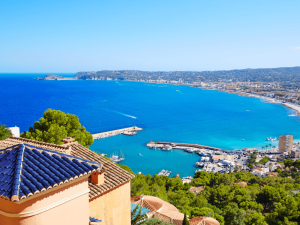
The Costa Blanca stretches 200 kilometers from Dénia in the north to Pilar de la Horadada in the south. This “White Coast” gets its name from the light-colored sand and rocks that line the shore. Beyond the beaches, you will find charming mountain villages, vibrant cities, and everything in between.
The weather alone convinces many people to relocate. Average temperatures hover around 20°C year-round, and you can expect sunshine most days. Winters stay mild enough for golf and outdoor dining, while summers bring warm beach days without the extreme heat found further south in Spain.
However, moving to Costa Blanca offers more than good weather. The region provides excellent value for money compared to other European destinations. Your retirement savings or remote work income stretches further here. You can enjoy quality restaurants, cultural activities, and a social lifestyle without breaking the bank.
The expat community plays a huge role in making the transition easier. You will find established groups of British, German, Dutch, Scandinavian, and American residents throughout the region. These communities organize social events, share local knowledge, and help newcomers settle in quickly.
Understanding the Legal Requirements
Before packing your bags, you need to understand the paperwork involved in moving to Costa Blanca. The requirements differ based on your nationality and intended length of stay.
The NIE Number Explained
Every foreigner who conducts any economic, professional, or social activity in Spain needs an NIE (Número de Identificación de Extranjero). This identification number stays with you for life and appears on virtually every official document.
| What You Need an NIE For | When It’s Required |
|---|---|
| Opening a bank account | Before or immediately after arrival |
| Buying or renting property | At signing |
| Signing employment contracts | First day of work |
| Registering utilities | When setting up home |
| Filing taxes | Annual requirement |
| Purchasing a vehicle | At point of sale |
| Getting a phone contract | When signing up |
The application process requires form EX-15, your passport with copies, passport photos, and proof of why you need the number. You can apply at a Spanish police station or through the Spanish consulate in your home country. The fee runs approximately €11, though this increases slightly each year.
EU Citizens: Registration Process
EU citizens enjoy freedom of movement and can live in Spain without a visa. However, if you plan to stay longer than three months, you must register with the Central Registry of Foreign Nationals.
- First, register on the padrón (municipal census) at your local town hall
- Then apply for your EU Registration Certificate at the Foreigners Office
- This green certificate includes your NIE number
- The process typically takes a few weeks
Non-EU Citizens: Visa Options
Non-EU citizens need a visa before moving to Costa Blanca. Several options exist depending on your situation.
- Non-Lucrative Visa: Ideal for retirees with sufficient passive income (minimum €2,259 monthly)
- Digital Nomad Visa: Perfect for remote workers employed by companies outside Spain
- Golden Visa: Available for property investments over €500,000
- Work Visa: Requires a job offer from a Spanish employer
- Student Visa: For those enrolled in Spanish educational institutions
Each visa requires private health insurance as part of the application. Once in Spain, non-EU citizens receive a TIE (Foreigner Identity Card) within 30 days of arrival. This card serves as your physical ID and contains your NIE number.
Moving to Costa Blanca: Choosing Where to Live
Moving to Costa Blanca means choosing from dozens of towns and cities, each with its own character. Your decision depends on your budget, lifestyle preferences, and whether you prioritize beach access, mountain views, or city amenities.
Popular Towns for Expats
Jávea (Xàbia): This town attracts a mixed international community who appreciate its three distinct areas: the historic old town, the port, and the Arenal beach zone. English-speaking services abound, and the atmosphere remains relaxed and family-friendly.
Dénia: Located at the northern tip, Dénia offers excellent ferry connections to Ibiza and Mallorca. The town maintains a more authentic Spanish feel while still providing ample expat support networks.
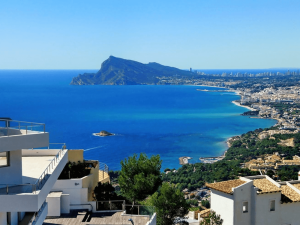
Altea: Artists and creatives gravitate toward this picturesque town with its whitewashed old quarter and cobblestone streets. The setting feels more upscale and quieter than neighboring resort areas.
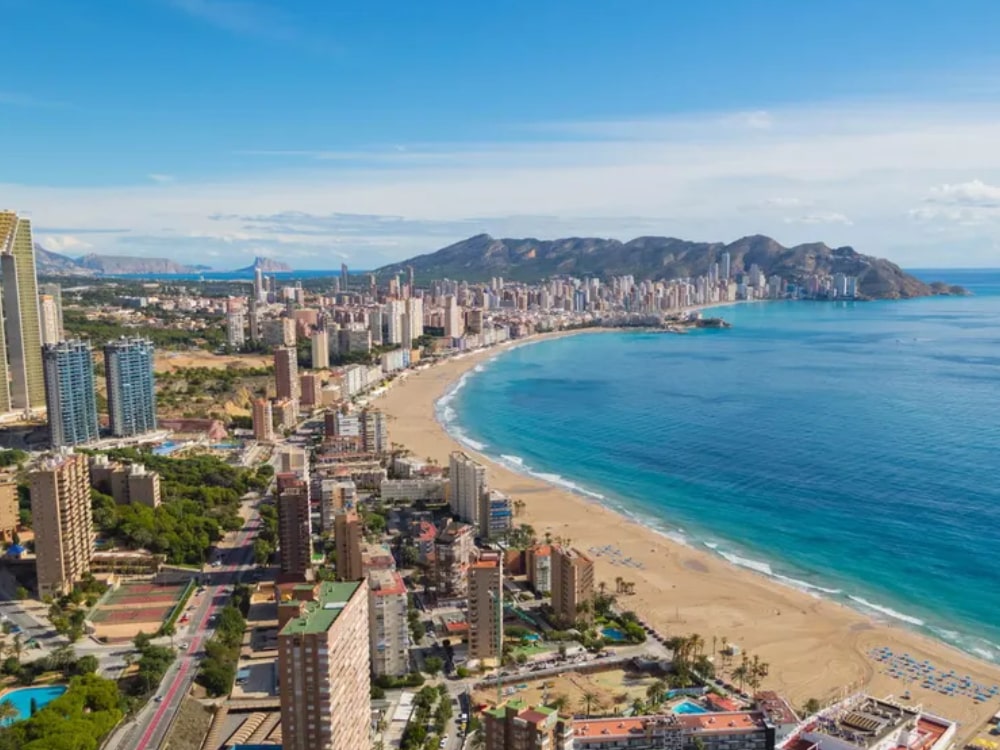
Benidorm: Despite its party reputation, Benidorm functions as a proper city with extensive amenities. Retirees particularly appreciate the flat terrain, abundant services, and year-round social scene.
Torrevieja: This former fishing village transformed into a multicultural hub. Property prices remain among the most affordable on the Costa Blanca, attracting budget-conscious expats.
Orihuela Costa: Golf courses, Blue Flag beaches, and numerous residential developments characterize this area. The southern location means slightly warmer weather and easy access to airports.
North vs South Costa Blanca
The northern Costa Blanca (from Dénia to Benidorm) tends toward hillier terrain, more dramatic scenery, and slightly higher prices. Towns here often feel more exclusive and maintain stronger Spanish identity.
The southern Costa Blanca (from Alicante to Torrevieja) offers flatter landscapes, larger expat populations, and more affordable housing. This area developed more recently and caters heavily to international residents.
Moving to Costa Blanca: Understanding the Cost of Living
Moving to Costa Blanca means your money goes further than in most of Western Europe. While no longer “dirt cheap,” the region delivers exceptional value compared to the UK, Germany, or Scandinavia.
Monthly Budget Breakdown
| Expense Category | Monthly Cost (Couple) |
|---|---|
| Rent (2-bed apartment) | €600–€1,000 |
| Utilities (electric, water, gas) | €100–€150 |
| Groceries | €400–€550 |
| Internet and phone | €50–€70 |
| Health insurance | €80–€150 |
| Transportation | €100–€200 |
| Dining and entertainment | €200–€400 |
| Total Range | €1,530–€2,520 |
These figures assume a moderate lifestyle without excessive luxuries. Your actual costs depend heavily on your choices and location.
Housing Costs in Detail
Rental prices vary dramatically based on location and proximity to the beach. In smaller inland towns, you might find a comfortable two-bedroom apartment for €500 monthly. Beachfront properties in popular areas like Jávea command €1,000 or more.
Buying property offers excellent value for those planning long-term stays. Entry-level apartments in southern towns start around €100,000, while villas with pools in prime northern locations exceed €500,000. Property taxes (IBI) run much lower than equivalent council taxes in the UK.
Keeping Costs Down
Shopping at local markets dramatically reduces your food budget. Weekly markets operate throughout the region, selling fresh produce directly from farmers at fraction of supermarket prices. Spanish supermarket chains like Mercadona and Consum offer great value too.
Eating out remains affordable compared to Northern Europe. A quality three-course menú del día at a local restaurant costs €12–€15. Coffee rarely exceeds €2, and a glass of wine at a tapas bar runs €2–€3.
Navigating the Healthcare System
Spain consistently ranks among the world’s best healthcare systems. Moving to Costa Blanca gives you access to excellent medical care through either public or private channels.
Public Healthcare (Sistema Nacional de Salud)
The Spanish public healthcare system provides comprehensive coverage to legal residents. Once you register with Social Security and obtain your health card (Tarjeta Sanitaria Individual), most services come free at point of use.
Public healthcare covers:
- General practitioner visits
- Specialist consultations (via referral)
- Hospital stays and surgeries
- Emergency treatment
- Maternity care
- Vaccinations
Prescriptions require a small copayment, typically €1–€5 depending on the medication and your income level. Dental care for adults falls outside the public system entirely.
Private Healthcare Options
Many expats supplement public coverage with private insurance. Private plans offer faster access to specialists, reduced waiting times, and easier access to English-speaking doctors.
Basic private policies start around €50 monthly for adults, with comprehensive plans running €100–€150. Popular providers include Sanitas, Asisa, Adeslas, and DKV. These plans typically cover dental care and often include services not available publicly.
For visa applications, non-EU citizens must show qualifying private insurance. This policy must provide full medical coverage with limits of at least €500,000 and no copayments for essential services.
Healthcare Tips for Expats
- Register at your local health center (centro de salud) soon after arriving
- Many doctors in expat areas speak English, but basic Spanish helps enormously
- Pharmacists can advise on minor ailments and often speak English
- Emergency care is available to everyone, regardless of insurance status
- Keep your health card with you at all times
Setting Up Your New Life
Once you arrive, several practical steps help establish your new life on the Costa Blanca. Taking these in the right order saves time and frustration.
First Steps After Arrival
- Register on the padrón at your local town hall within three months
- Open a Spanish bank account using your NIE and passport
- Set up utilities (often the landlord handles this for rentals)
- Get a Spanish phone number through providers like Movistar, Vodafone, or Orange
- Register your vehicle if bringing one from abroad (within 60 days)
Banking Made Simple
Spanish banks require an NIE to open an account. Major banks like Santander, BBVA, CaixaBank, and Sabadell have branches throughout the Costa Blanca. Some offer English-language services in expat-heavy areas.
Online banks like N26 and Revolut provide alternatives with lower fees for international transfers. Many expats maintain both Spanish and home-country accounts during the transition.
Getting Around
Life on the Costa Blanca runs predominantly car-based, especially outside main town centers. Public transport exists but proves limited for most daily needs.
Buses: Regular services connect coastal towns between Dénia and Alicante. The ALSA network covers longer distances.
Trams: A scenic tram line runs from Alicante to Dénia, stopping at major towns along the way.
Driving: Most expats find a car essential. Spanish driving licenses work for EU citizens, while non-EU residents must exchange their license within six months.
Airports: Alicante-Elche Airport serves the entire region with connections across Europe. Valencia Airport provides an alternative for northern Costa Blanca residents.
Embracing the Local Lifestyle
Moving to Costa Blanca means adapting to Spanish rhythms and customs. The adjustment enhances your experience rather than complicating it.
Daily Life Spanish-Style
Spaniards eat lunch late (2–3 PM) and dinner later still (9–10 PM). Many businesses close during afternoon siesta hours, typically 2–5 PM. Banks keep morning hours only on most days.
Sundays remain quiet, with many shops closed. Plan your shopping accordingly. Major supermarkets often open Sunday mornings, and coastal tourist areas stay busier year-round.
Learning Spanish
While many Costa Blanca residents speak English, learning Spanish dramatically improves your experience. You connect more deeply with neighbors, handle bureaucracy more easily, and access better deals at local businesses.
Options for learning include:
- Municipal language schools offering affordable group classes
- Private tutors charging €15–€25 per hour
- Language exchange meetups with Spanish speakers learning English
- Online platforms like Duolingo or Babbel for self-study
Even basic phrases make daily interactions smoother and show respect for your adopted home.
Joining the Community
Expat communities on the Costa Blanca organize countless activities and social groups. Whatever your interests, you will find others who share them.
Sports: Padel courts, golf courses, tennis clubs, cycling groups, and hiking associations operate throughout the region. Water sports flourish along the coast.
Social clubs: U3A groups, book clubs, bridge clubs, and national societies (British, Dutch, German, etc.) hold regular meetings.
Volunteering: Animal shelters, food banks, and community organizations welcome English-speaking volunteers.
Facebook groups: Search for your town name plus “expats” to find active online communities sharing advice and organizing meetups.
Frequently Asked Questions
Do I need to speak Spanish to live on the Costa Blanca?
You can manage without Spanish in many expat-heavy areas. English-speaking doctors, lawyers, and estate agents operate throughout the region. However, learning Spanish significantly improves your daily life, opens more opportunities, and shows respect for local culture. Most expats recommend at least basic conversational skills.
How much money do I need to retire on the Costa Blanca?
A couple can live comfortably on €1,500–€2,500 monthly including rent. Non-EU citizens applying for retirement visas must demonstrate minimum income of approximately €2,259 monthly. Your actual needs depend on lifestyle choices, housing decisions, and healthcare preferences.
Is healthcare free in Spain for expats?
EU citizens with valid EHIC or S1 forms access public healthcare on the same terms as Spanish citizens. Non-EU citizens need private insurance for visa applications and until they qualify for public coverage through work or residency. Emergency treatment is available to everyone regardless of status.
What’s the best town on the Costa Blanca for expats?
No single “best” town exists because priorities differ. Jávea suits families and those seeking a mixed international community. Torrevieja offers the lowest costs and largest established expat population. Altea appeals to those preferring a quieter, more artistic atmosphere. Visit several areas before deciding where to settle.
Can I keep my UK or US bank account?
Yes, many expats maintain accounts in their home country alongside Spanish accounts. This approach helps manage pensions, investments, and property income from abroad. International transfer services like Wise reduce fees for moving money between currencies.
How long does it take to get residency?
EU citizens can register within a few weeks of gathering required documents. Non-EU citizens should allow 3–6 months for the full visa and residency process, including home-country consulate appointments and Spanish immigration procedures.
Ready to start your Costa Blanca journey? Browse local services, businesses, and community resources at listingsgallery.com to connect with everything you need for your move.