Spain’s cultural tapestry is woven with centuries of history, where ancient traditions blend seamlessly with modern life. In cities like Seville and Granada, the echoes of Moorish architecture linger in landmarks such as the Alhambra and the Royal Alcázar, both testaments to a rich Islamic heritage that shaped the Iberian Peninsula. Meanwhile, festivals like La Tomatina in Buñol and Semana Santa across Andalusia showcase the country’s passion for celebration and religious devotion. These vibrant events aren’t just tourist attractions—they’re deeply rooted in local identity, drawing both residents and visitors into communal expressions of joy and reverence. For those eager to understand Spain’s soul, participating in these traditions offers an authentic glimpse into its living culture.
The country’s culinary scene is equally captivating, with regional diversity taking center stage. From pintxos in San Sebastián to paella in Valencia, each dish tells a story of local ingredients and time-honored techniques. Tapas culture encourages social dining, turning meals into leisurely affairs filled with conversation and shared plates. UNESCO even recognizes the Mediterranean diet—central to Spanish cuisine—for its cultural significance and health benefits. Food markets like Madrid’s Mercado de San Miguel offer a sensory overload of colors, scents, and flavors, making them must-visit destinations for any traveler. Exploring Spain through its food is not just about eating; it’s about connecting with people and places in the most delicious way possible.
Nature lovers will find Spain just as rewarding, with landscapes ranging from the rugged peaks of the Pyrenees to the sun-kissed beaches of the Costa del Sol. National parks like Doñana and Picos de Europa protect vital ecosystems and offer opportunities for hiking, birdwatching, and wildlife spotting. The island territories—such as the volcanic terrain of Lanzarote or the lush forests of La Gomera—add even more variety to Spain’s geography. Whether you’re kayaking along the cliffs of Cadaqués or stargazing in the clear skies of Teide National Park, the natural beauty here inspires awe at every turn. The Spanish commitment to preserving these spaces ensures they remain accessible for generations to come. Learn more about Spain’s protected areas through the SEO/BirdLife, a leading conservation organization in the country.
Art and music pulse through Spain’s streets, from flamenco performances in dimly lit tablaos to the avant-garde masterpieces of Picasso and Dalí housed in museums like Barcelona’s Museu Picasso. Street art in neighborhoods such as Madrid’s Lavapiés reflects contemporary social themes, while traditional guitar music still resonates in plazas across southern Spain. This dynamic interplay between old and new keeps Spanish culture constantly evolving. Travelers don’t just observe—they’re often invited to join in, whether through dance workshops or local music festivals. It’s this spirit of inclusion and expression that makes Spain not just a place to visit, but a place to feel truly alive.
Immersing in Local Culture
Spanish culture thrives on the close bonds of family and the joy of shared experiences, often expressed through food, music, and celebration. It’s common for families to gather around large meals on Sundays, where generations come together to connect and enjoy traditional dishes. This emphasis on togetherness extends beyond the home and into community life, where local plazas buzz with conversation and children play as elders watch on, creating a rhythm of life that values presence over haste. The warmth of Spanish hospitality makes visitors feel like part of the familia, whether you’re welcomed into a home or striking up a conversation at a neighborhood bar.
Festivals are a vibrant expression of regional identity and history across Spain, each one bursting with color, music, and tradition. Take La Tomatina in Buñol, for example—a wildly fun tomato-throwing festival that draws people from around the world. In Seville, the soulful art of flamenco tells stories of love, loss, and resilience through intense guitar, singing, and dance, deeply rooted in Andalusian heritage. These cultural expressions aren’t just performances; they’re living traditions passed down through generations, celebrated with pride and passion.
Regional pride runs deep in Spain, where distinct languages like Catalan, Basque, and Galician coexist alongside Spanish. Each region boasts its own cuisine, customs, and even national holidays, contributing to the country’s rich tapestry. In San Sebastián, the pintxos (Basque tapas) scene is legendary, with bars offering culinary masterpieces on small slices of bread—best enjoyed with a glass of local cider or txakoli wine. Exploring Spain means embracing these local identities, where every village, city, and coastline offers something uniquely authentic.

Must-See Attractions Across Spain
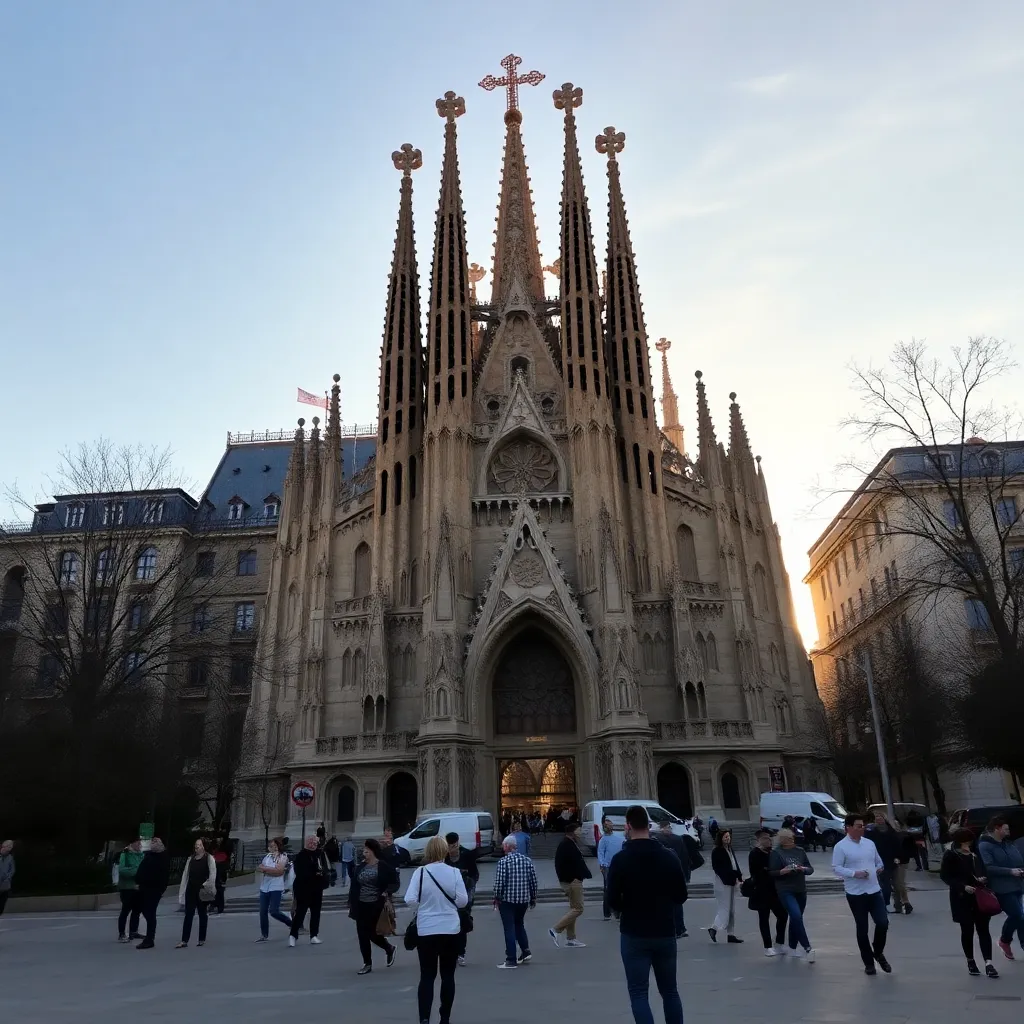
Barcelona’s skyline is forever defined by the visionary work of Antoni Gaudí, none more iconic than the Sagrada Família. Still under construction over a century after it began, this basilica blends Gothic and Art Nouveau forms with organic shapes inspired by nature, creating a surreal silhouette that draws millions each year. Visitors can explore its kaleidoscopic stained glass and towering, tree-like columns, experiencing a space where architecture feels alive. Learn more about its history and ongoing construction at sagradafamilia.org.
Journeying south to Granada, the Alhambra offers a breathtaking glimpse into Spain’s Moorish past. Perched on a hilltop overlooking the city, this palatial fortress complex features intricately carved stucco, serene courtyards like the Court of Lions, and lush gardens that reflect the sophistication of Islamic design in medieval Spain. Recognized as a UNESCO World Heritage Site, the Alhambra remains one of the most visited monuments in the country. More details can be found at alhambra-patronato.es.
In Madrid, culture thrives within the walls of the Prado Museum, a cornerstone of European art institutions. Housing an exceptional collection of Spanish masters, including Francisco de Goya and Diego Velázquez, the museum offers a deep dive into centuries of artistic evolution. Works like Velázquez’s *Las Meninas* and Goya’s *The Third of May 1808* are not only national treasures but pivotal pieces in the global art canon. Art enthusiasts can explore the collection online or plan a visit via museodelprado.es.
Hidden Gems and Authentic Experiences
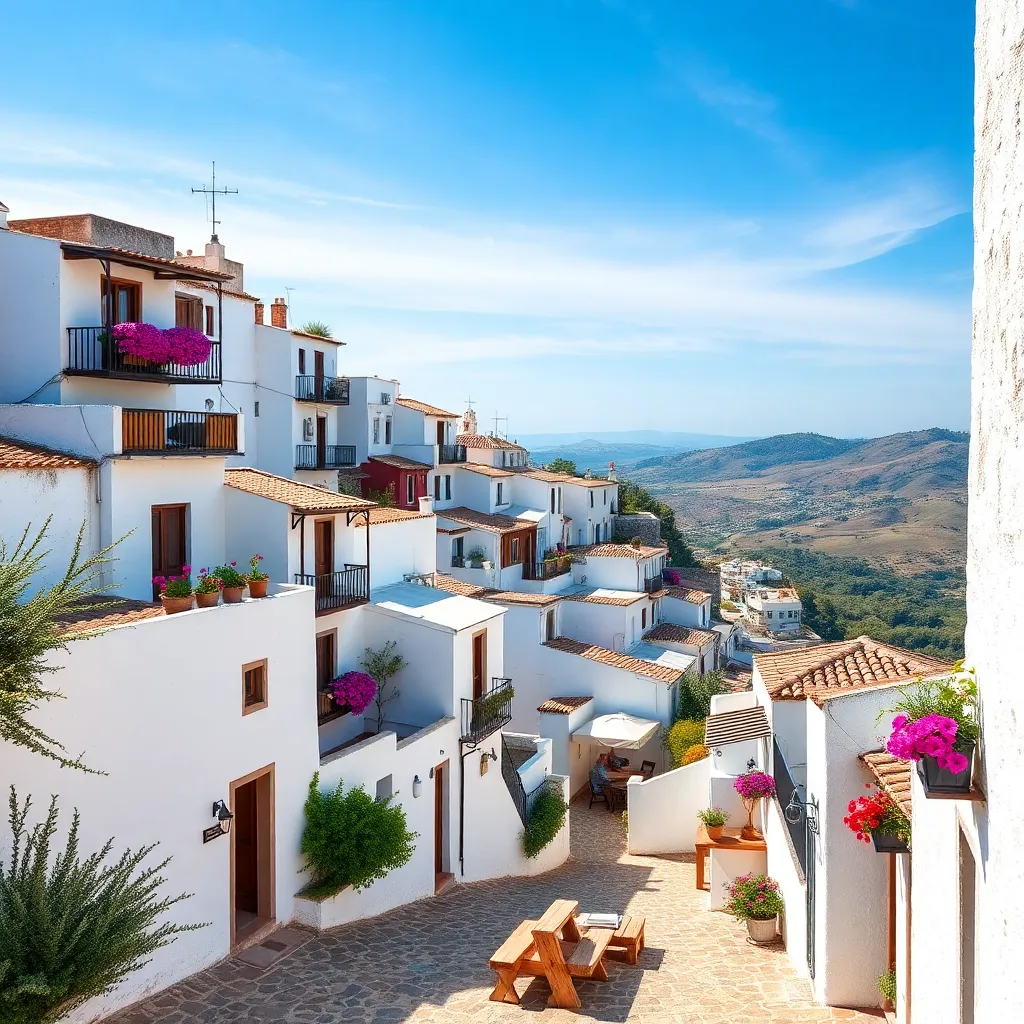
Step away from the bustling streets of Madrid and Barcelona, and you’ll find Spain’s true character nestled in its lesser-known corners. The whitewashed villages of the Sierra de Grazalema Natural Park, like Zahara de la Sierra and Vejer de la Frontera, cling to rocky hillsides, offering breathtaking views and a glimpse into Andalusia’s Moorish past. These picturesque pueblos blancos are not only visually stunning but steeped in history and local craftsmanship—perfect for travelers seeking authenticity over crowds. Wander narrow cobblestone alleys, enjoy homemade olive oil drizzled over fresh bread, and feel time slow down in these tranquil mountain retreats. More information about this region can be found through Spain’s official tourism site.
On the northern coast, Asturias unfolds with wild beauty along the Costa Verde, where emerald mountains plunge into the Cantabrian Sea. Unlike the sun-drenched beaches of the south, this rugged coastline is ideal for hikers and nature lovers drawn to raw, unspoiled landscapes. Trails like the Ruta del Sella take you through lush forests and fishing villages where cider houses, or *sidrerías*, pour the region’s tart, traditional cider straight from the barrel. The cool, misty climate nurtures rich biodiversity, making it a haven for birdwatchers and outdoor adventurers alike. Discover more about Asturias’ natural offerings at Asturias.com.
In northern Spain’s Rioja wine region, rolling vineyards stretch across sun-kissed valleys, producing some of the country’s most celebrated reds. But beyond the well-known bodegas near Haro, quiet hamlets and family-run wineries invite intimate tastings and conversations with vintners who’ve passed down their craft for generations. Cycling through the vine rows or walking the Camino de Santiago, which cuts through the region, allows a deeper appreciation of the land and its rhythms. Whether you’re sipping a bold Tempranillo in a centuries-old cellar or dining on slow-cooked *lacón con grelos*, Rioja offers a sensory journey rooted in tradition. Learn about wine routes and experiences at Rioja Wine’s official site.
Culinary Delights: A Taste of Spain
Exploring Spain’s culinary landscape is a feast for the senses, where every bite tells a story of tradition and regional pride. In Valencia, the birthplace of paella, you can watch chefs prepare the iconic dish over open flames, blending saffron-infused rice with fresh seafood or tender chicken. The aroma alone is enough to draw crowds, and sharing a pan with locals offers a true taste of Spanish hospitality. For an authentic experience, visit Visit Valencia to find recommended restaurants and food events.
Tapas culture is another cornerstone of Spanish cuisine, offering a chance to sample a variety of small plates like creamy croquetas filled with ham or cod, and thinly sliced jamón ibérico, cured for months to develop its rich, nutty flavor. Wander through cities like Seville or San Sebastián, where bars overflow with locals sipping vermouth and swapping stories over shared dishes. To understand the origins of these delicacies, check out resources from Spain.info, the official tourism site.
For a hands-on experience, joining a local cooking class can deepen your appreciation of Spain’s gastronomy. These classes often begin with a visit to a vibrant mercado, where vendors display everything from ripe tomatoes to glistening olives and local cheeses. As you shop alongside a chef, you’ll learn how seasonal, regional ingredients shape each dish. Many tours and workshops are listed on trusted platforms like Cookly, which connects travelers with authentic culinary experiences across Spain.
Conclusion: Creating Unforgettable Memories
Spain is a country where every region tells its own story, from the Moorish echoes in Andalusia’s Alhambra to the futuristic curves of Gaudí’s Sagrada Família in Barcelona. Art and history are woven into everyday life, whether you’re sipping coffee in a Madrid plaza once frequented by Picasso or tracing the footsteps of medieval pilgrims along the Camino de Santiago. The richness of Spain’s cultural tapestry isn’t confined to museums—it lives in flamenco rhythms, village festivals, and family-run tapas bars. For deeper insight into Spain’s artistic legacy, explore resources from Museo del Prado or Gaudí’s official site.
The Mediterranean and Atlantic coastlines offer more than golden sands—they’re gateways to a relaxed, sun-kissed way of life. Whether you’re diving into the turquoise coves of Menorca, windsurfing in Tarifa, or strolling along the promenades of Valencia, Spain’s beaches invite both adventure and tranquility. Coastal towns serve up fresh seafood paella and chilled glasses of txakoli, making every meal a celebration of local flavors. Learn about sustainable beach travel through Spain’s official tourism board, which highlights eco-friendly destinations and seasonal events.
At the heart of Spain is its people—warm, expressive, and deeply rooted in tradition. The siesta isn’t just a nap; it’s a cultural pause that honors balance and connection. Families gather late into the night for long dinners, while local fiestas transform quiet streets into vibrant carnivals of music and color. This rhythm of life encourages visitors to slow down and savor the moment, whether watching a flamenco dancer’s fierce footwork in Seville or joining locals at a village wine harvest in La Rioja.
To truly know Spain is to embrace its contrasts—ancient and modern, lively and serene, bold and intimate. It’s a place where language, cuisine, and tradition blend seamlessly with a forward-looking spirit. Whether you’re exploring Roman ruins in Mérida or sampling avant-garde pintxos in San Sebastián, Spain offers endless opportunities for discovery. Start planning your journey with trusted insights from Rumbo or Spain.info, and let the country’s magic guide your way.